
Estimated Reading Time: 6 minutes
What Are Teen Behavior Disorders?
Teen behavior disorders encompass a range of emotional and behavioral issues that interfere with a teen’s ability to function effectively in daily life. These disorders can manifest in various ways, including:
- Oppositional Defiant Disorder (ODD): Characterized by a pattern of angry or irritable mood, argumentative behavior, and vindictiveness.
- Conduct Disorder: Involves aggressive or antisocial behavior that violates societal norms and the rights of others.
- Attention-Deficit/Hyperactivity Disorder (ADHD): Marked by persistent patterns of inattention and/or hyperactivity-impulsivity.
- Anxiety and Mood Disorders: Includes generalized anxiety, depression, and bipolar disorder.
- Obsessive-Compulsive Disorder (OCD): Characterized by persistent, unwanted thoughts (obsessions) and repetitive behaviors (compulsions).

Signs and Symptoms of Teen Behavior Disorders
Recognizing the signs early can lead to more effective intervention. Common symptoms include:
- Emotional Dysregulation: Difficulty managing emotions, leading to frequent mood swings or outbursts.
- Impulsivity: Making hasty decisions without considering the consequences.
- Defiance: Open resistance to authority figures, such as parents and teachers.
- Withdrawal: Pulling away from family, friends, and activities once enjoyed.
- Academic Decline: Sudden drop in grades or lack of interest in schoolwork.
- Risk-Taking Behaviors: Engaging in activities that are dangerous or harmful.
Common Causes of Teen Behavior Disorders
Several factors can contribute to the development of behavior disorders in teens:
- Genetic Factors: Family history of mental health disorders can increase risk.
- Brain Chemistry and Structure: Imbalances in neurotransmitters or abnormalities in brain structure can affect behavior.
- Trauma and Stress: Experiences of abuse, neglect, or significant stress can impact emotional regulation.
- Environmental Influences: Family dynamics, peer pressure, and societal expectations play a role.
- Medical Conditions: Disorders like ADHD or OCD have biological underpinnings that influence behavior.
How to Support a Teen with Behavior Disorders
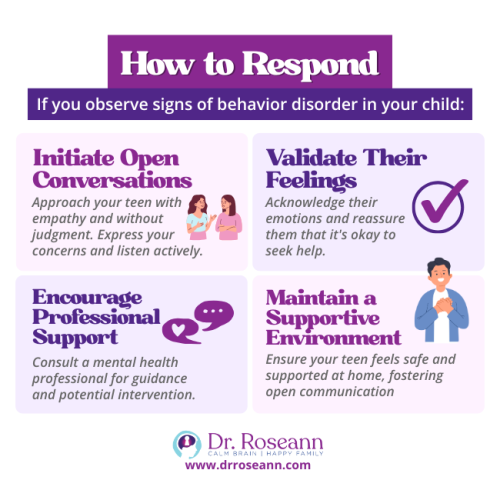
Supporting a teen with behavior disorders requires patience, understanding, and consistent strategies:
- Establish Clear Boundaries: Set and enforce consistent rules and consequences.
- Promote Open Communication: Encourage your teen to express their feelings and concerns.
- Model Emotional Regulation: Demonstrate healthy ways to manage emotions.
- Encourage Healthy Habits: Ensure your teen gets adequate sleep, nutrition, and physical activity.
- Provide Positive Reinforcement: Acknowledge and reward positive behaviors.
- Seek Professional Guidance: Therapists or counselors can offer valuable support and coping strategies.
When to Seek Professional Help
It’s essential to consult a mental health professional if:
- Your teen’s behavior is causing significant distress or impairment in daily functioning.
- There is a history of self-harm or thoughts of suicide.
- Traditional parenting strategies are ineffective.
- You notice a sudden or severe change in behavior.
Professional intervention can provide tailored strategies and support for both the teen and their family.
Read more about: Typical Moodiness vs. Childhood Depression
FAQs
How can I differentiate between typical teenage behavior and a behavior disorder?
While adolescence is a time of change, behavior becomes concerning when it consistently disrupts daily life, relationships, or academic performance.
Are behavior disorders in teens treatable?
Yes, with appropriate interventions such as therapy, medication, and family support, many teens show significant improvement.
Can behavior disorders affect a teen’s future?
Without intervention, behavior disorders can impact academic achievement, relationships, and overall well-being. Early treatment is crucial.
How can I support my teen without enabling negative behavior?
Maintain consistent boundaries, avoid rescuing your teen from consequences, and encourage responsibility for their actions.
Citations
Merikangas, K. R., et al. (2010). Lifetime Prevalence of Mental Disorders in U.S. Adolescents. Archives of General Psychiatry, 67(7), 717–727
https://doi.org/10.1001/archgenpsychiatry.2010.89
Kieling, C., et al. (2024). Worldwide Prevalence and Disability From Mental Disorders in Children and Adolescents. JAMA Psychiatry, 81(1), 1–10. https://doi.org/10.1001/jamapsychiatry.2023.4302
Dr. Roseann Capanna-Hodge is a licensed mental health expert that is frequently cited in the media:
- What if it’s Not Depression (Video) Anxiety, OCD and Trichotillomania.
- Healthline A 30-Minute Workout May Help Relieve Some Symptoms of Depression
- E’s Highway to Health Show: Talk Back To Your Anxiety Listen now…
Disclaimer: This article is not intended to give health advice and it is recommended to consult with a physician before beginning any new wellness regime. *The effectiveness of diagnosis and treatment vary by patient and condition. Dr. Roseann Capanna-Hodge, LLC does not guarantee certain results.
Are you looking for SOLUTIONS for your struggling child or teen?
Dr. Roseann and her team are all about science-backed solutions, so you are in the right place!
©Roseann Capanna-Hodge