




Estimated reading time: 5 minutes
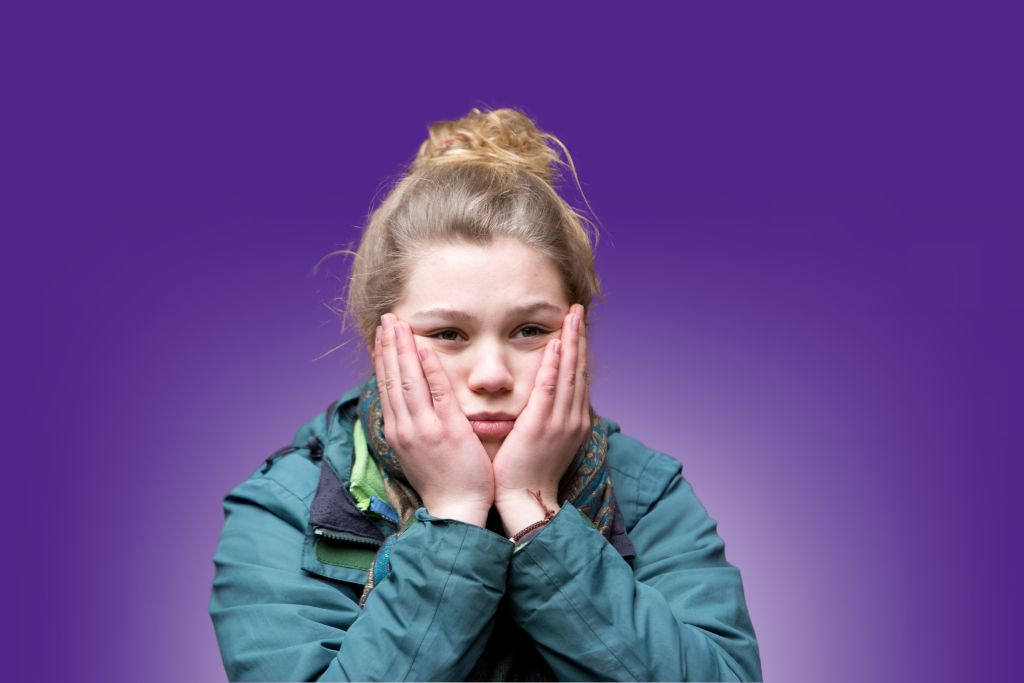
If your child holds it together at home but falls apart in the classroom, you are not alone. So many parents miss early signs of dysregulation until the structure, pace, and demands of school expose what the brain has been struggling to manage.
In this episode, I break down why academic environments often reveal emotional and behavioral issues—and what parents can do to support their child’s self-regulation before the stress becomes overwhelming. You’ll learn the early signs of classroom dysregulation, why bright kids often “hit a wall” later, and the proactive strategies that set kids up to thrive.
Why does my child only struggle with self-regulation at school?
Many kids seem “fine” at home but fall apart when faced with the intensity, stimulation, and transitions of the school day. That’s because school requires sustained cognitive effort, social awareness, and behavioral flexibility—skills dysregulated kids haven’t yet mastered.
A dysregulated brain may show up as:
- Difficulty sitting still
- Emotional outbursts
- Trouble following multi-step directions
- Challenges moving between tasks
- Social misunderstandings
Real-life Example
A child who easily plays at home may suddenly melt down during group work because the classroom demands more planning, sharing, and emotional control than their nervous system can manage.
Takeaway: Behavior is communication—and school often reveals what the brain can’t hide anymore.
How do academic demands expose hidden learning or regulation issues?
School becomes more demanding around 2nd–4th grade as kids shift from learning to read to reading to learn. When self-regulation is weak, this transition exposes gaps that were previously masked.
Signs your child may be struggling underneath the surface:
- Impulsivity during independent work
- Trouble shifting from recess to desk tasks
- Emotional shutdown with harder assignments
- Feeling “behind” or disorganized
Bright kids can compensate for a long time—until they suddenly can’t. And that’s when anxiety, frustration, or behavioral dysregulation explode seemingly “out of nowhere.”
Takeaway: It’s not bad behavior—it’s a dysregulated brain trying to cope with rising expectations.
If you’re tired of walking on eggshells or feeling like nothing works… Get the FREE Regulation Rescue Kit and finally learn what to say and do in the heat of the moment. Become a Dysregulation Insider VIP at www.drroseann.com/newsletter and take the first step to a calmer home.
What classroom strategies actually help kids regulate?
Teachers play a powerful role—not by correcting behavior, but by modeling regulation and creating structure that supports the nervous system.
Helpful classroom supports include:
- Predictable routines to reduce overwhelm
- Regulation modeling (“Let’s all take one slow breath together”)
- Goal-setting and planning practice to strengthen executive functioning
- Visual schedules and previews of upcoming activities
- Pro-social opportunities like classroom jobs or empathy activities
Real-life Example
A student who constantly rushes through assignments may benefit from previewing the steps beforehand and practicing “future thinking”—imagining what successful completion looks like.
How can schools support emotional regulation and organization?
Emotional regulation teaching is no longer optional—especially in a post-pandemic world where kids are more stressed, anxious, and overwhelmed than ever.
Effective school-based supports include:
- Emotion-identification lessons
- Role-playing transitions or stressful events
- Organizational skills instruction (“Here’s how we set up your desk for success”)
- Parent partnership programs that reinforce skills at home
Takeaway: When we calm the brain and teach organizational and emotional tools, kids don’t just behave better—they learn better.
🗣️ “No child can learn, focus, or behave well with an unregulated nervous system. When we support self-regulation in the classroom, we change the entire trajectory of a child’s learning.” — Dr. Roseann
Takeaway
Classroom difficulties aren’t signs of laziness or defiance—they are signals of a dysregulated brain that needs support.
When parents and teachers work together to identify early struggles, teach regulation tools, and create predictable structure, kids gain the stability they need to grow emotionally, socially, and academically.
FAQs
How do I know if my child’s classroom behavior is dysregulation or defiance?
Dysregulation is rooted in overwhelm, not willfulness. Look for patterns tied to transitions, demands, or fatigue.
Why does my smart child struggle with organization at school?
Bright kids often lack the executive functioning skills needed to manage materials, time, and multi-step tasks.
What helps a child who melts down during transitions?
Previews, visual schedules, and calm co-regulation reduce stress and improve predictability.
Can self-regulation be taught at school?
Yes—through modeling, routines, emotional literacy lessons, and structured planning practice.
Feel like you’ve tried everything and still don’t have answers?
The Solution Matcher helps you find the best starting point based on your child’s symptoms, behaviors, and history. It’s fast, free, and based on decades of clinical expertise.
Get your personalized plan now at www.drroseann.com/help