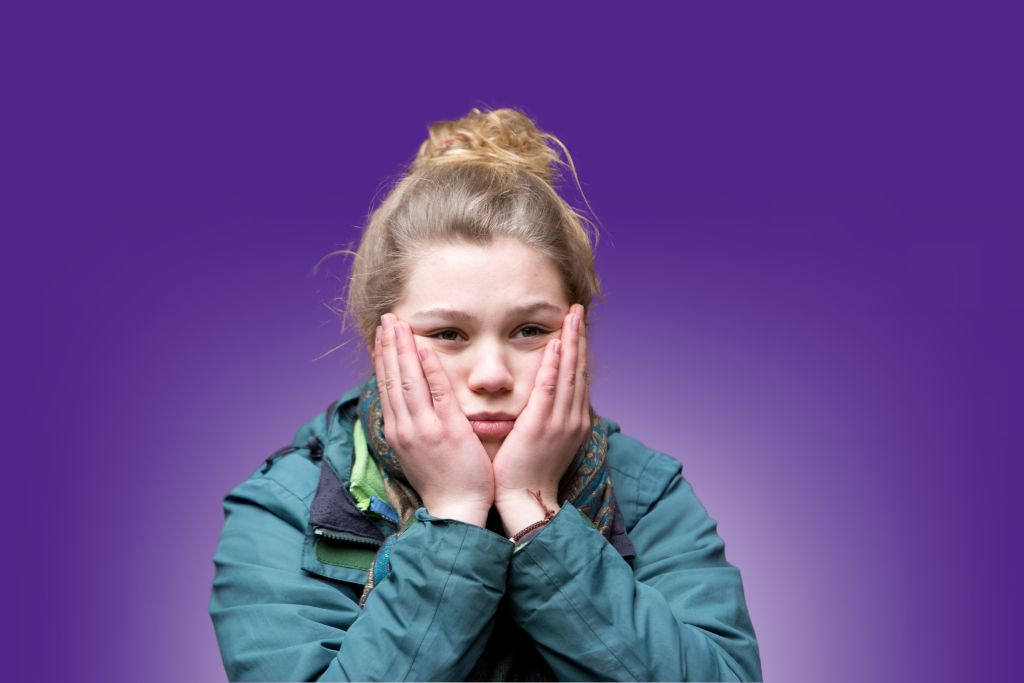





When your child melts down over the smallest frustration, it can leave you feeling drained and unsure of what to do next. You’re not alone—kids today are overwhelmed, stressed, and struggling to manage big emotions. This episode breaks down why regulation is so hard for them and how simple, brain-based strategies can help your child tolerate stress, build resilience, and feel capable.
Why does my child get overwhelmed so quickly?
Many children simply haven’t had enough opportunities to struggle and work through frustration. When adults step in too soon, kids miss chances to develop coping skills and confidence.
Frustration isn’t defiance—it’s a dysregulated nervous system saying, “I can’t handle this yet.”
What helps:
- Name the frustration: “This feels really hard right now.”
- See behavior as communication, not misbehavior.
- Coach instead of fixing: Guide them through the discomfort before jumping to solutions.
- Repetition over perfection: Regulation grows through practice.
How does co-regulation calm my child’s stress and frustration?
Kids learn emotional regulation through your calm. Before they can self-regulate, they must experience co-regulation—borrowing your steady nervous system.
Reset to Regulate: You reset first, then support your child.
Try these co-regulation steps:
- Deep breathing together
- Progressive relaxation (“Squeeze your hands… now soften”)
- Validation: “I see how big this feels.”
- Model calm behavior so their brain mirrors yours
For little ones, sensory tools anchor the body:
- Weighted blankets
- Play-Doh or squeezing a stress ball
- Bubble or belly breathing
Example: When your child screams during homework, kneel beside them and say, “Your brain feels stuck. Let’s breathe together, then take the next step.”
Yelling less and staying calm isn’t about being perfect—it’s about having the right tools.
Join the Dysregulation Insider VIP list and get your FREE Regulation Rescue Kit, designed to help you handle oppositional behaviors without losing it.
Download it now at www.drroseann.com/newsletter
What emotional regulation techniques work best for school-aged kids and teens?
Kids may be more self-aware as they get older, but they still need direct instruction. Emotional regulation doesn’t magically develop—it must be taught, practiced, and reinforced.
A helpful method is Pause, Breathe, Choose:
- Pause to identify the feeling
- Breathe to calm the nervous system
- Choose a coping strategy
Movement works, too—stretching, walking, or simple sensory breaks reset the body before emotions escalate.
How do I teach my child to reflect and repair after a meltdown?
Avoiding hard moments keeps kids stuck. Reflection helps them build emotional awareness and problem-solving skills.
Teach reflection with:
- “What did you feel in your body?”
- “What was the moment it got too big?”
- “What could help next time?”
Reinforce progress over perfection. Every attempt at regulation rewires the brain.
🗣️ “Every problem is an opportunity for kids to grow their frustration tolerance—when we stay calm, validate, and coach them through it.”
— Dr. Roseann
Raising a Calmer, More Confident Child
With the right emotional regulation techniques—and your steady presence—your child can learn to tolerate stress. They can recover from discomfort and feel capable again. Remember, you’re not alone, and healing begins when we calm the brain first.
FAQs About Emotional Regulation for Kids
What’s the first step in teaching emotional regulation?
Co-regulation. Calm yourself first, then guide your child through breathing and naming feelings.
Is my child too old for a calm-down space?
Not at all. Older kids simply need age-appropriate tools like headphones, journals, or movement.
What if my child refuses coping skills?
Stay neutral, keep modeling, and praise attempts. Skills stick through repetition, not pressure.
Not sure where to start?
Take the guesswork out of helping your child.
Use our free Solution Matcher to get a personalized plan based on your child’s unique needs.
Start here: www.drroseann.com/help