Help for Emotional Dysregulation in Kids | Dr. Roseann Capanna-Hodge

Find Your Solution

In 3 minutes, you’ll know where to start ➤

Join the Dysregulation Insider get free calm parenting tips straight to your inbox!

138: Inattentive ADHD: More Than Just Daydreaming

Discover the real signs of inattentive ADHD. Understand your child’s struggles and get doable steps to support focus and calm. Listen and share this episode now for evidence-based Regulation First Parenting™ strategies.
Estimated reading time: 6 minutes When a parent first tells me, “My child is such a daydreamer,” I always lean in with curiosity. Because inattentive ADHD is so much more than drifting off in class. It affects learning, confidence, relationships, and even how kids see themselves. And as someone who was a daydreamer too, I get how easily these signs can be missed. In this episode, I walk you through what inattentive ADHD really looks like and how Regulation First Parenting™ can support the calm, connection, and focus your child needs to thrive.

Why does my child struggle to stay focused even during fun activities?

Many parents assume a child will always pay attention when they like something, but inattentive ADHD makes sustained focus hard across the board. That means even enjoyable tasks can feel mentally heavy. What this may look like:
  • Zoning out in the middle of play
  • Jumping between tasks before finishing
  • Avoiding anything that takes mental effort
A mom recently told me her child could talk about dinosaurs for hours but couldn’t follow a two-step direction. That mismatch is a big red flag that there’s more going on than typical distraction.

Why does my child keep losing things or “forgetting” simple routines?

Kids with inattentive ADHD aren’t careless—they’re overwhelmed. Their nervous system has a hard time anchoring information. Try these supportive shifts:
  • Use visual anchors like picture checklists
  • Break tasks into tiny steps and praise each attempt
  • Repeat routines consistently until they feel natural
Think of forgetfulness as a sign of dysregulation, not a character flaw.

How do I know when daydreaming becomes a clinical issue?

Every child daydreams. The difference is frequency, impact, and patterns across environments. Ask yourself:
  • Does inattention show up at home, school, and socially?
  • Is your child missing details no matter how clearly you explain them?
  • Are avoidant behaviors increasing because tasks feel “too hard”?
When inattention affects learning, relationships, or self-esteem, it’s time to take a closer look. That’s why I always remind parents: Behavior is communication. Your child isn’t lazy—their brain is dysregulated. When your child is dysregulated, it’s easy to feel helpless. The Regulation Rescue Kit gives you the scripts and strategies you need to stay grounded and in control. Become a Dysregulation Insider VIP at www.drroseann.com/newsletter and get your free kit today.

How can I support my child with inattentive ADHD at home?

There are brain-friendly ways to make daily life easier—and calmer. Start with these:
  • Structure and routines that reduce cognitive load
  • Clear, short instructions (talking less helps your child hear more)
  • Positive reinforcement that builds confidence
  • Organizational tools like timers, color coding, or morning maps
And don’t forget nutritional support. Protein, healthy fats, and magnesium can make a surprising difference in focus and regulation. 🗣️ “You can’t correct what’s dysregulated—regulate first, then everything else becomes possible.” — Dr. Roseann

Takeaway & What’s Next

Inattentive ADHD is real, impactful, and absolutely workable when we calm the nervous system first. Pair today’s episode with Hyperfocusing and ADHD to understand the full attention spectrum. You’re not alone—there is always a path toward clarity and hope.

FAQs

Is inattentive ADHD harder to spot than hyperactive ADHD?

Yes. Because kids aren’t disruptive, their struggles often fly under the radar until academics or self-esteem suffer.

Can inattentive ADHD improve without medication?

Many kids make meaningful gains with brain-based tools, structure, nutrition, and consistent Regulation First Parenting™.

Is daydreaming always a sign of ADHD?

No. It becomes concerning only when it affects daily functioning across multiple settings.

Why does my child get overwhelmed so easily?

A dysregulated nervous system makes focus, organization, and emotional control harder. Supporting regulation improves everything else. Not sure where to start? Take the guesswork out of helping your child. Use our free Solution Matcher to get a personalized plan based on your child’s unique needs—whether it’s ADHD, anxiety, mood issues, or emotional dysregulation. Start here: www.drroseann.com/help

If you found yourself nodding along while listening, take a moment to follow and leave a quick review on Apple Podcasts.
Your feedback helps more overwhelmed parents find calm, clarity, and the proven tools that make everyday life easier.

Dr. Roseann Capanna-Hodge: Helping Families of Dysregulated Kids Thrive Through Regulation First Parenting™

 
Dr. Roseann believes every family deserves to move from chaos to connection—and that transformation begins with addressing emotional dysregulation in children at its true source: the nervous system.

As the creator of Regulation First Parenting™, she’s helping families of dysregulated kids discover a compassionate, brain-based path forward. Through The Dysregulated Kids™ Podcast (top 2% globally), she offers practical strategies that help parents understand their child’s brain and support lasting change.

Through The Global Institute of Children’s Mental Health and Dr. Roseann, LLC, she’s created resources like the BrainBehaviorReset® program, Neurotastic™ Brain Formulas, and the Regulation First Parenting™ framework—meeting families where they are and supporting them through challenges like ADHD, anxiety, OCD, PANS/PANDAS, and behavioral struggles.

Recognized by Forbes as “a thought leader in children’s mental health,” Dr. Roseann is changing how we understand emotional dysregulation in children—one family at a time.


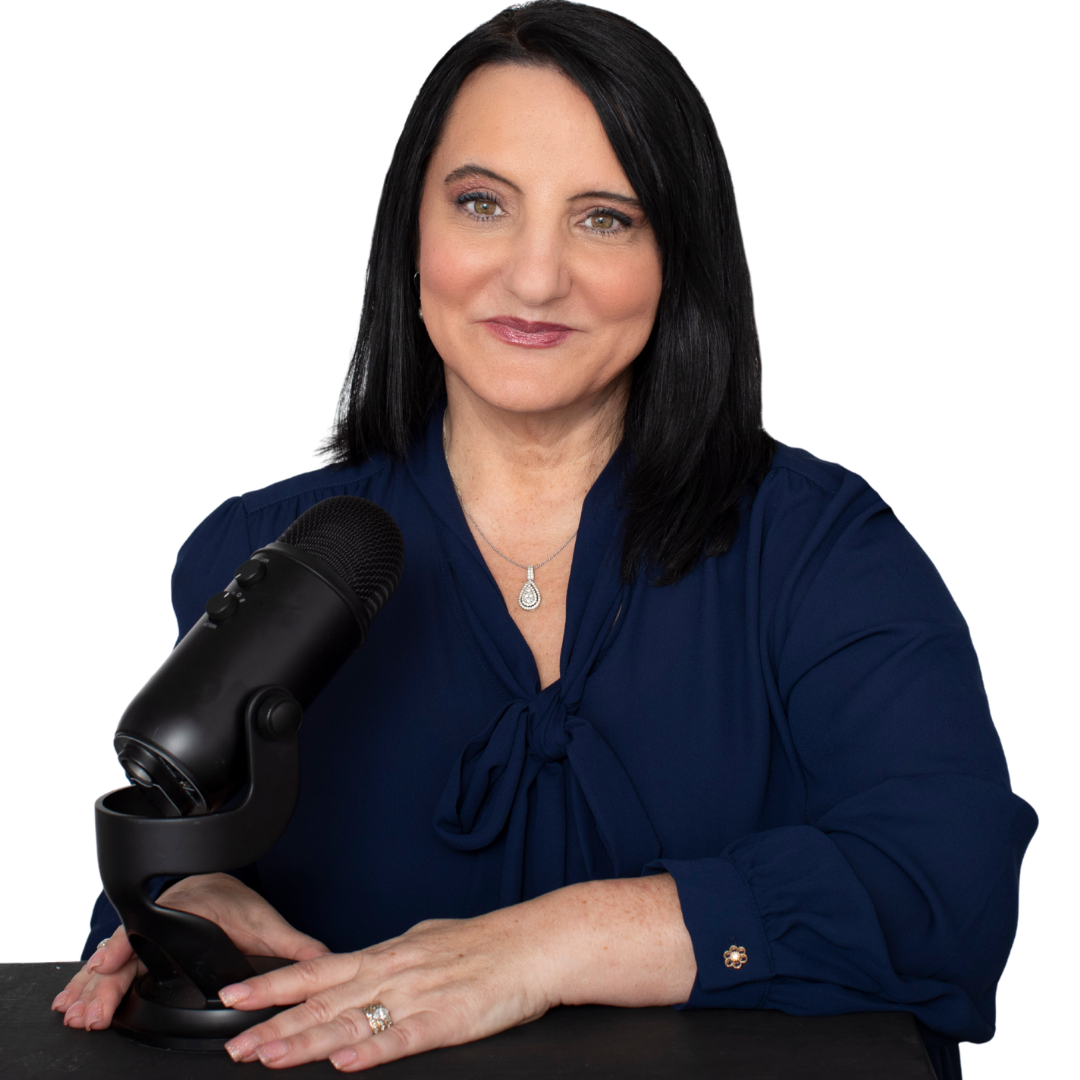
Dr Roseann with mic
Scroll to Top
Having Computer issues?
What’s the #1 burning question

about your child’s behavior that keeps you up at night?

By sending us your question, you give us permission to use
your audio clip anonymously in our podcast.

CHAT WITH US!