
Estimated reading time: 7 minutes
Why Managing Emotional Dysregulation Matters for Your Family
How to manage emotional dysregulation starts with understanding that intense meltdowns and emotional rollercoasters aren’t your child being “bad”—they’re signals that their brain needs support. When emotions feel overwhelming, it affects every part of family life, from school to sleep to sibling relationships.
Quick Answer: Key Strategies to Manage Emotional Dysregulation
- Calm the nervous system first through co-regulation, deep breathing, and reducing sensory input.
- Practice mindfulness and meditation to build awareness of emotions and triggers.
- Use the STOP skill (Stop, Take a step back, Observe, Proceed mindfully) during emotional moments.
- Build healthy routines including consistent sleep, balanced nutrition, and daily exercise.
- Try evidence-based therapies like Dialectical Behavior Therapy (DBT), Cognitive Behavioral Therapy (CBT), or neurofeedback.
- Create a crisis plan with calming strategies and designated safe spaces.
- Model emotional regulation by managing your own reactions calmly.
- Identify and label emotions to help process and reduce their intensity.
You’re not alone in this struggle. Emotional dysregulation is common, and conditions marked by it, like Borderline Personality Disorder (BPD), affect many young adults. But here’s the hopeful news: research shows that with the right skills, significant improvement is possible, proving that emotion regulation can absolutely be learned.
I’m Dr. Roseann Capanna-Hodge, and for over 30 years, I’ve helped families learn how to manage emotional dysregulation with my science-backed Regulation First Parenting™ approach. My experience has shown me that when we calm the brain first, children can focus, learn, and connect—bringing peace back to family life.
What is Emotional Dysregulation?
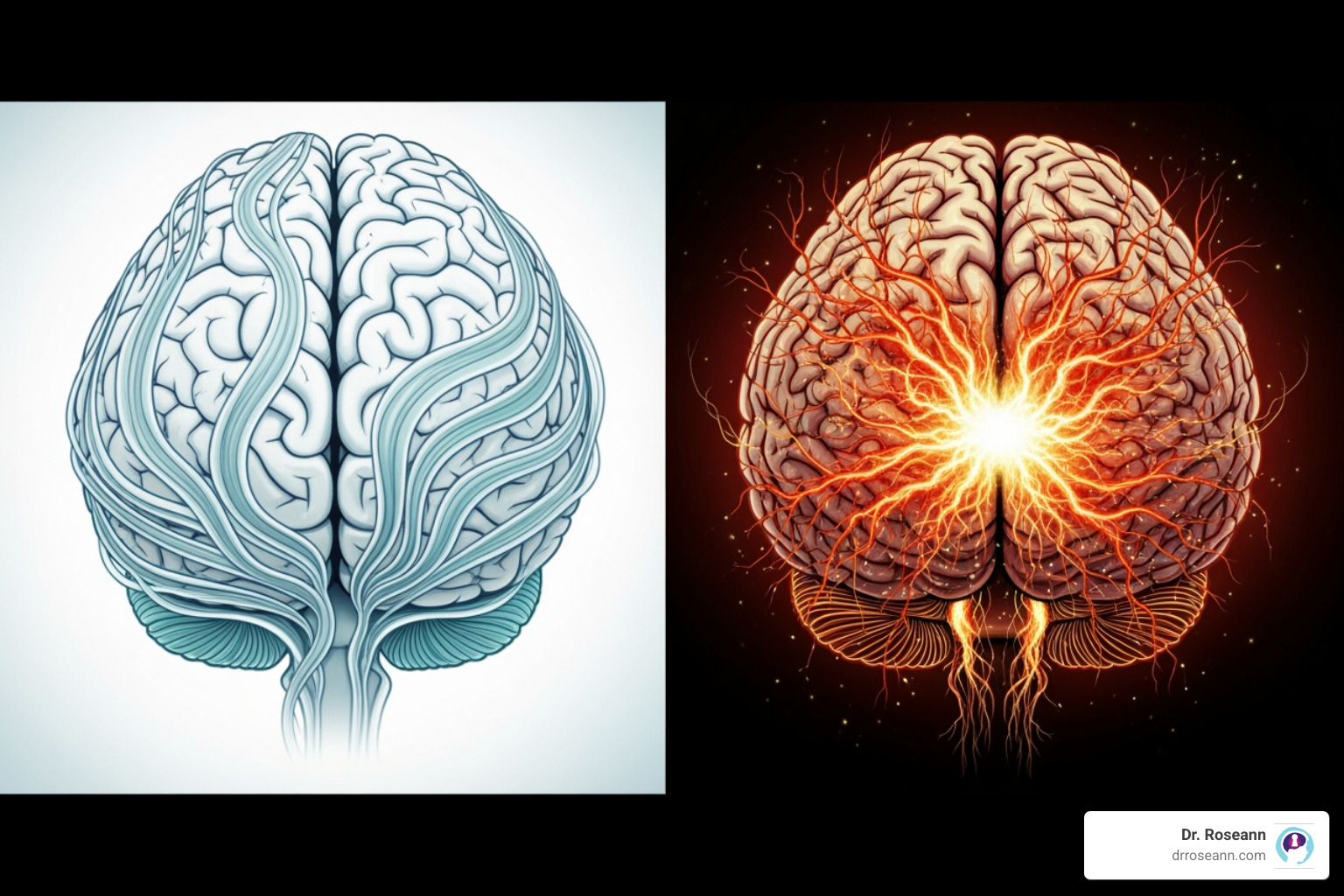
Emotional dysregulation is a significant difficulty managing and responding to emotions in a balanced way. It’s when feelings seem stronger, more intense, or last longer than the situation calls for, often feeling overwhelming and uncontrollable.
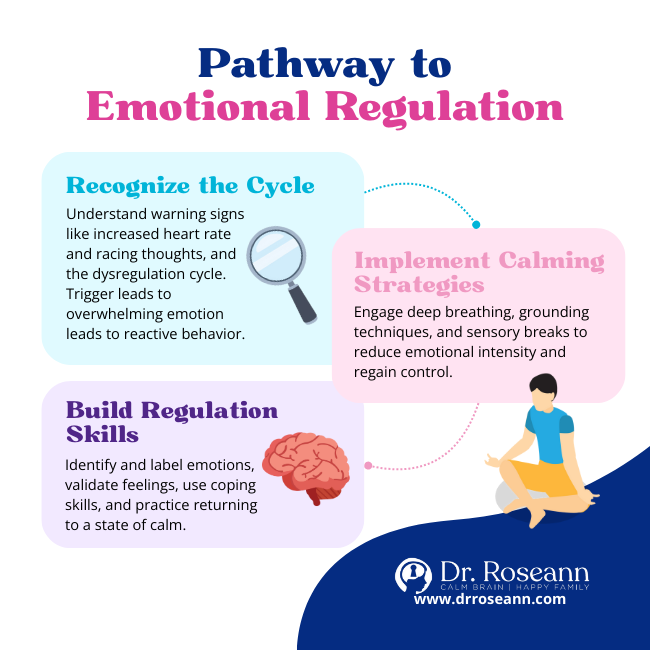
This is different from emotional regulation, the ability to manage emotions healthily. While temper tantrums are a normal part of development for young children, persistent and disproportionate emotional responses as they get older may signal dysregulation. Behavior is communication; these reactions are often a sign that the nervous system is overwhelmed.
Understanding the Signs, Causes, and Impact of Dysregulation
Recognizing emotional dysregulation is the first step toward finding solutions.
Signs and Symptoms
Common signs include:
- Impulsivity: Acting without thinking about consequences.
- Emotional Sensitivity: Reacting very strongly to minor stressors.
- Difficulty in Emotional Recovery: Taking a long time to calm down after being upset.
- Frequent Mood Swings: Rapid shifts between intense emotions.
- Ongoing Irritability or Frustration: Getting easily annoyed.
- Regretful Actions: Saying or doing things you later wish you hadn’t.
- Shutting Down or Dissociation: Withdrawing, feeling numb, or detached from reality when overwhelmed.
Causes
Emotional dysregulation is complex and can stem from many factors, including:
- Childhood Trauma: Early abuse or neglect can impact the brain’s ability to regulate emotions, as noted in studies on the developmental timing of trauma exposure (Dunn et al., 2018).
- Brain-Based Factors: Genetics, brain chemistry, and Neurodevelopmental Factors in Dysregulation can play a role.
- Chronic Stress: Prolonged stress can overwhelm the nervous system.
- Lack of Skills Training: Not learning coping skills in childhood can lead to struggles later.
- Other Factors: Hormonal imbalances, brain injury, and chaotic environments can also contribute.
Associated Disorders
Emotional dysregulation is a core symptom of several conditions:
- ADHD, Bipolar Disorder, and PTSD
- Borderline Personality Disorder (BPD): Characterized by intense, unstable emotions. With effective treatment like DBT, many individuals show significant improvement.
- Anxiety and Depression: As discussed in our article on Emotional Dysregulation and Anxiety.
- Autism Spectrum Disorder (ASD) and Disruptive Mood Dysregulation Disorder (DMDD)
Impact on Life
Living with emotional dysregulation can profoundly affect:
- Relationships: It can strain connections and lead to frequent conflicts. Learn more about Dysregulation and Relationships.
- Work and School: It can negatively impact performance and academic or professional success.
- Overall Well-being: It can lead to increased stress, anxiety, and a diminished quality of life.
Professional Treatments That Calm the Brain
When dysregulation impacts daily life, professional support is crucial. We believe in “game-changing solutions” that address root causes.
A diagnosis is typically made through clinical interviews, questionnaires, and observation.
Therapy
- Dialectical Behavior Therapy (DBT): This highly effective therapy for BPD and other regulation issues focuses on four key skills: mindfulness, distress tolerance, emotional regulation, and interpersonal effectiveness. You can learn more about emotion regulation in schema therapy and dialectical behavior therapy (Fassbinder et al., 2016) and dialectical behavior therapy for the treatment of borderline personality disorder (Bolton et al., ed., 2021).
- Cognitive Behavioral Therapy (CBT): CBT helps change unhelpful thought patterns (Automatic Negative Thoughts, or ANTs) and behaviors that fuel emotional dysregulation.
Brain-Based Therapies
- Neurofeedback/Biofeedback: These are game-changing solutions that help individuals learn to self-regulate their own physiology, like brainwave activity. By seeing real-time feedback, they can learn to shift into a calmer state. This is a cornerstone of our approach, as detailed in Neurofeedback / Biofeedback.
Medication
While not a “cure,” medication can help manage underlying conditions like depression or anxiety, making therapy more effective.
Support Groups & Counseling
Support groups offer a safe space to share experiences, while individual counseling provides personalized strategies. To find the best fit, consult our guide on How to Choose Therapy for Child.
How to Manage Emotional Dysregulation: A Practical Guide
Learning how to manage emotional dysregulation is a journey that requires patience and self-compassion. Let’s calm the brain first – that’s our mantra for effective change. These daily strategies can build resilience, as explored in our 7 Strategies to Improve Mood and Mindset.

Practical Self-Help Strategies for Improving Emotional Regulation
- Mindfulness and Meditation: Focus on the present without judgment. Practices like deep breathing help you observe emotions rather than being swept away by them. Learn more about The Benefits of Breathwork and Meditation for Kids.
- Identifying Triggers: Keep a journal to identify patterns in what sets off intense emotional reactions. Once you know your triggers, you can develop strategies to cope.
- Emotional Labeling (“Name it to Tame it”): When you feel an intense emotion, pause and name it. This simple act can reduce its intensity and give you more control.
- The ‘STOP’ Skill: This DBT technique helps prevent impulsive reactions:
- S – Stop: Freeze! Don’t react immediately.
- T – Take a Step Back: Remove yourself from the situation and take a deep breath.
- O – Observe: Notice what’s happening internally and externally.
- P – Proceed Mindfully: Choose a response that aligns with your goals.
- Self-Compassion: Be kind to yourself. Self-criticism makes dysregulation worse. Acknowledge your struggle with kindness to build resilience.
- Crisis Plan: Create a plan for overwhelming moments. Include calming strategies (deep breathing, grounding), a designated safe space, and trusted people to call.
- Lifestyle Changes: Your physical health is linked to your emotional well-being.
- Sleep: Prioritize quality sleep, as Sleep Disruption and Regulation are closely connected.
- Nutrition: A balanced diet can stabilize mood. Learn Which Food Reduces Stress?.
- Exercise: Regular physical activity reduces stress and improves mood. Lack of Exercise Causes Dysregulation.
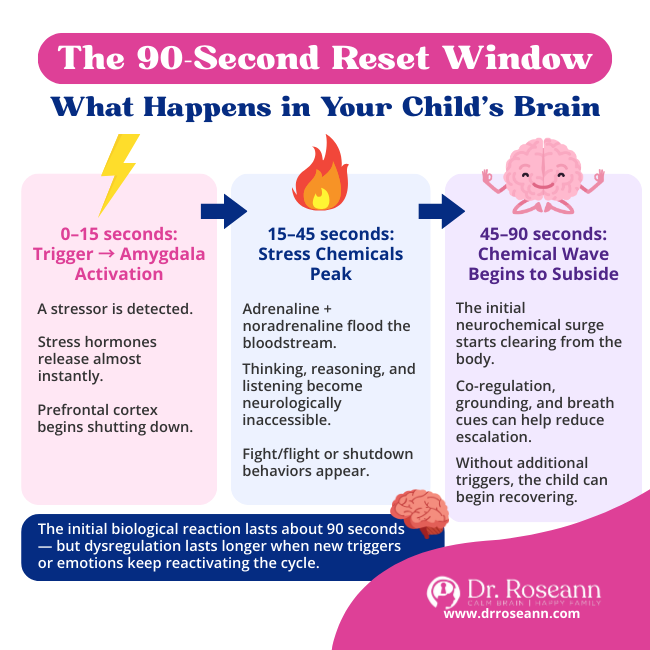
How to Parent a Child Experiencing Emotional Dysregulation
You are your child’s guide and calm harbor.
- Co-Regulation: Your child’s nervous system looks to yours for cues. By staying calm, you “share your calm” and help them regulate. Our Co-regulation Techniques: Parents and Kids article offers tips.
- Modeling Behavior: Children learn by observing. When you manage your own emotions calmly, you provide a powerful example. Our podcast offers strategies for parents to stay calm when your child pushes your buttons.
- Creating Routines: Predictable routines provide a sense of safety and reduce anxiety, making it easier for children to manage emotions.
- Validating Feelings: Acknowledge your child’s feelings, even if you don’t agree with their behavior. “I see you’re really angry” helps them feel understood.
- Setting Boundaries: While validating feelings, set clear boundaries. All feelings are okay, but not all behaviors are.
- Repairing Relationships: After an outburst, reconnect and repair. This teaches accountability and forgiveness. Our resources on Repairing Relationships After Dysregulation can guide you.
- School Support: Work with your child’s school to get support through an IEP or 504 plan. We have information on IEP Goals for Self-Regulation.
Your Path to a Calmer, More Connected Family
Navigating emotional dysregulation is challenging, but you’re not alone, and lasting change is absolutely possible. With the right support, your family can find calm, foster deeper connections, and empower your child to thrive.
Our approach at our Ridgefield clinic focuses on brain-based solutions that address the root causes of dysregulation. Through programs like our Brain Behavior Reset Program, we provide “game-changing solutions” for effective results where other treatments have fallen short.
Ready to start your journey toward a calmer family life? Learn more about solutions for an emotionally dysregulated child and find how we can help.
Citations
Bolton, K., Hall, C., and Lehmann, P. (Eds). (2021). Theoretical perspectives for direct social work practice. 4th Ed. Retrieved from https://connect.springerpub.com/content/book/978-0-8261-6556-5/part/part03/section/sec02/chapter/ch10.
Dunn, E., Nishimi, K., Gomez, S., Powers, A., and Bradley, B. (2018). Developmental timing of trauma exposure and emotion dysregulation in adulthood: are there sensitive periods when trauma is most harmful?. J Affective Disorders, 227:869-877. https://doi.org/10.1016/j.jad.2017.10.045
Fassbinder, E., Schweiger, U., Martius, D., Brand-de Wilde, O., and Arntz, A. (2016). Emotional regulation in schema therapy and dialectical behavior therapy. Front Pyschol, 7. https://doi.org/10.3389/fpsyg.2016.01373
Always remember… “Calm Brain, Happy Family™”
Disclaimer: This article is not intended to give health advice and it is recommended to consult with a physician before beginning any new wellness regime. *The effectiveness of diagnosis and treatment vary by patient and condition. Dr. Roseann Capanna-Hodge, LLC does not guarantee certain results.
Are you looking for SOLUTIONS for your struggling child or teen?
Dr. Roseann and her team are all about science-backed solutions, so you are in the right place!