
Estimated reading time: 10 minutes
If you’ve tried everything to help your child with ADHD or focus issues—medications, behavioral therapy, tutoring—you know the exhaustion of hoping each new approach will be “the one.” Neurofeedback is a promising, drug-free alternative, but as a parent, your first question is likely: Is this safe for my child?
The answer is reassuring. Does neurofeedback therapy have side effects? Yes, but they are typically mild and temporary. Most children experience little to no adverse effects, and many find the sessions relaxing. When side effects do occur, they usually resolve within 24-48 hours and can include:
- Fatigue or tiredness (the most common, often a sign of successful brain training)
- Mild headaches
- Temporary dizziness or lightheadedness
- Slight changes in mood or emotional sensitivity
- Brief sleep disturbances

What Parents Need to Know About Neurofeedback Safety
Neurofeedback is a non-invasive brain training method that doesn’t involve medications or surgery. It monitors brain activity in real-time and provides feedback to help the brain learn healthier patterns. Think of it like a workout for the brain—and just like physical exercise, some people might feel a bit tired afterward.
The key to safety lies in proper implementation. Side effects are more likely when practitioners use one-size-fits-all protocols instead of personalized approaches based on brain mapping (QEEG). An experienced, board-certified practitioner who monitors your child closely and adjusts protocols as needed makes all the difference. Serious long-term adverse effects are extremely rare, with no known cases identified after over 30 years of clinical use.
I’m Dr. Roseann Capanna-Hodge and I’ve spent over three decades helping families steer these challenges. I’ve seen how concerns about side effects can be effectively addressed through practitioner expertise and personalized protocols, helping thousands of children achieve symptom relief.
Understanding Neurofeedback Side Effects: From Mild to Serious
When considering neurofeedback, understand the full picture of potential side effects. Neurofeedback is a non-invasive form of biofeedback that uses real-time displays of brain activity to teach self-regulation, leveraging the brain’s natural ability to adapt (neuroplasticity). While the benefits are well-documented, the question “does neurofeedback therapy have side effects?” deserves a thorough answer.
Research and clinical experience show that neurofeedback is generally well-tolerated. However, like any therapy that involves brain learning, temporary responses can occur as the brain adjusts. Think of it like muscle soreness after a new workout—it’s a sign the body is adapting. For a deeper dive, you can explore our neurofeedback overview.
Common and Temporary Side Effects
The vast majority of side effects are mild and temporary(Rahmani et al., 2023; Anderson et al., 2025), typically resolving within 24 to 48 hours.
- Fatigue or weariness is the most common and is often a positive sign that the brain has been working hard to create new neural pathways.
- Mild headaches, dizziness, or lightheadedness can occur as the brain adjusts to new frequencies being reinforced.
- Temporary brain fog or increased emotional sensitivity may happen as the brain recalibrates its emotional and cognitive functions. This usually passes quickly.
- Sleep disturbances or muscle tension are also possible but are typically minor and fleeting.
It’s important to remember these effects are usually minor. Our approach focuses on careful monitoring and open communication to adjust protocols based on your child’s response, minimizing any discomfort.
| Common, Mild Side Effects (Usually Temporary) | Rare, More Serious Side Effects (Often Due to Inappropriate Training) |
|---|---|
| Fatigue/Weariness | Worsening of existing symptoms (anxiety, ADHD) |
| Mild Headaches | Increased anxiety or agitation |
| Dizziness/Lightheadedness | Panic attacks |
| Brain Fog/Decreased Concentration | Manic-like behavior |
| Increased Emotional Sensitivity | Severe emotional lability or crying |
| Temporary Sleep Disturbances | Decline in cognitive functioning (mental fogginess) |
| Muscle Tension | Increase in obsessional rumination or OCD symptoms |
| Lifted Stress (slight) | Increase in somatic symptoms (tics, twitches) |
| Slight Disorientation | Seizures (in individuals with pre-existing conditions) |
| Slurred speech, incontinence, enuresis |
Are There Serious or Long-Term Adverse Effects?
This is a critical question for parents. The research is reassuring: to date, no scientific evidence suggests neurofeedback causes long-term adverse effects on the brain. After over 30 years of clinical use, its safety record is remarkable.
However, in rare instances, more significant adverse effects have been reported. These are almost invariably linked to inappropriate protocols, unqualified practitioners, or a failure to adequately assess and monitor the individual. These can include a temporary worsening of existing symptoms (like anxiety or ADHD), emotional dysregulation, or cognitive impairment. In extremely rare cases, particularly in individuals with pre-existing seizure disorders, an incorrect protocol could increase seizure risk.
These serious effects, known as “iatrogenic effects,” underscore why practitioner expertise and individualized treatment are essential for safety. Research confirms that while side effects can occur, careful monitoring is key (Rogel et al., 2015). When administered by a qualified, board-certified professional who uses thorough assessments, the risk of serious adverse effects is extremely low.

What Influences the Occurrence of Side Effects?
Understanding does neurofeedback therapy have side effects is only part of the picture; it’s equally important to know why they might occur. Side effects aren’t random—they’re usually preventable when the right factors are in place.
Several factors influence the presence and severity of side effects, but they all point back to one thing: the quality and personalization of the treatment.
- Practitioner Expertise: This is the single most important factor. A qualified provider conducts a thorough assessment, including a QEEG brain map, to understand your child’s unique brain patterns. They monitor every session and adjust protocols based on your child’s real-time response.
- Personalized Protocols: Your child’s brain is unique. A protocol that works for one child might be wrong for another. Generic, “canned” protocols carry a higher risk of side effects because they aren’t custom to the individual’s brain activity.
- Pre-existing Conditions: Children with sensitivities like epilepsy or severe anxiety may require extra caution. An experienced practitioner knows how to adapt protocols for these cases safely.
- Session Pacing: The brain needs time to integrate what it’s learning. Overly long or frequent sessions can lead to fatigue or headaches.
The Critical Role of the Practitioner and Protocol
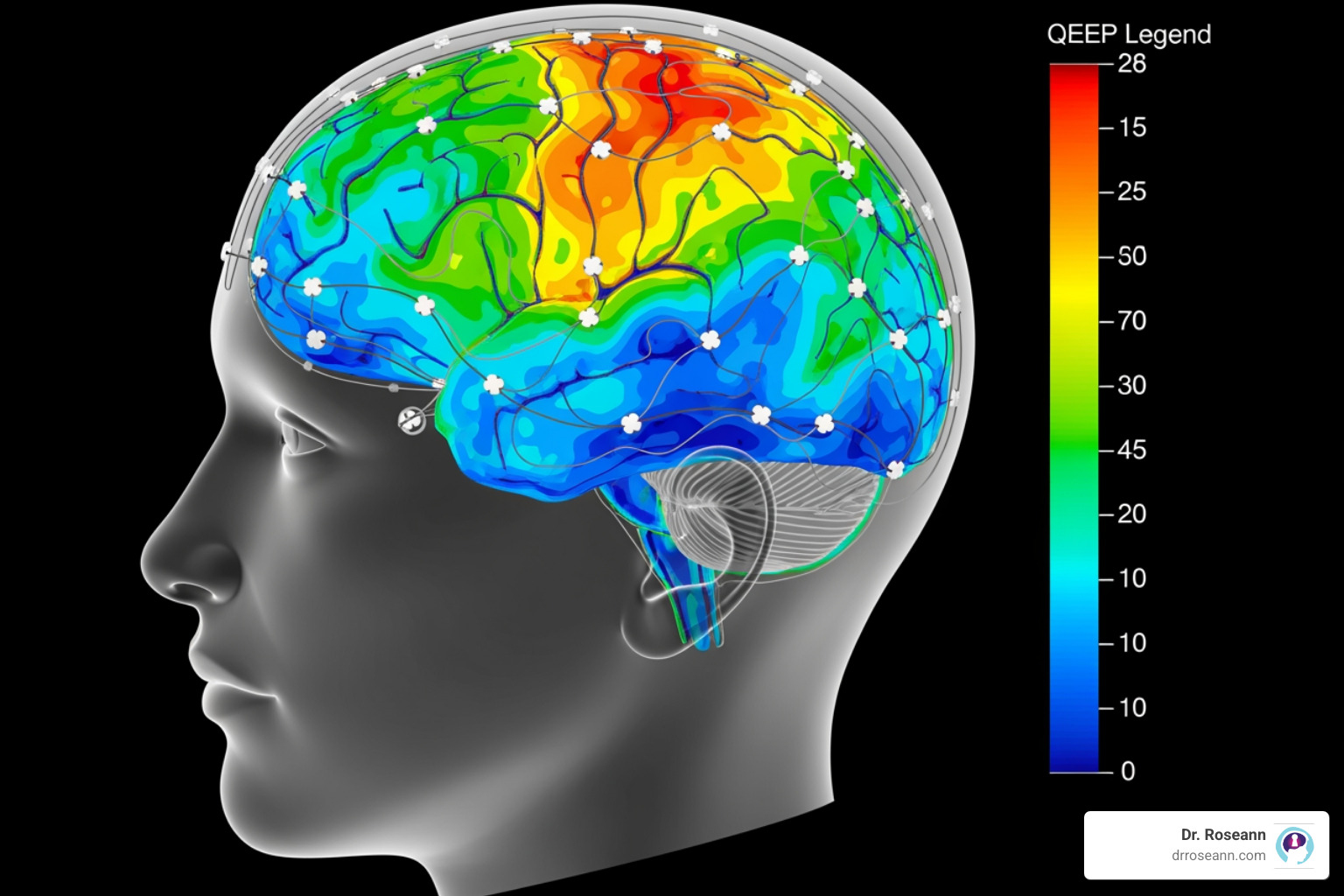
The practitioner you choose and the protocol they use will determine your child’s experience. A highly trained practitioner doesn’t guess; they use a QEEG brain map to create a truly personalized protocol. This isn’t optional; it’s foundational to safe and effective treatment.
Board certification through the Biofeedback Certification International Alliance (BCIA) is the gold standard, ensuring the practitioner has the skills to provide safe treatment. You can learn more about our qualified therapists and their credentials.
The protocol itself—the specific plan for reinforcing or inhibiting certain brainwaves—is where the rubber meets the road. An individualized protocol based on a QEEG minimizes risk. For example, some protocols that boost beta waves can cause temporary agitation if not carefully calibrated. Others, like alpha-theta training, require special expertise to manage the deep relaxation states they induce. An experienced practitioner understands these nuances and adjusts accordingly.
Our approach to ADHD treatment always begins with comprehensive brain mapping to develop an individualized protocol. We don’t use cookie-cutter solutions because every brain is different. When the protocol is based on your child’s actual brain activity, neurofeedback is both safe and effective.
Does Neurofeedback Therapy Have Side Effects That Can Be Avoided?
The reassuring truth is that most potential side effects from neurofeedback can be minimized or avoided entirely. The key lies in choosing the right practitioner, maintaining open communication, and supporting your child’s overall well-being. When these elements are in place, the question of does neurofeedback therapy have side effects becomes much less of a concern.

How to Minimize Your Child’s Risk
As a parent, you are an active participant in your child’s healing journey. Here’s how you can help create a safe and effective neurofeedback experience:
- Choose a Qualified Provider: Your first and most important step. Look for practitioners with board certification in neurofeedback (BCIA). Don’t hesitate to ask about their experience with your child’s specific challenges.
- Insist on a QEEG Brain Map: This assessment is non-negotiable. It forms the foundation for a personalized treatment plan, which dramatically lowers the risk of adverse effects.
- Communicate Openly: Encourage your child to speak up during sessions if anything feels strange. Report any changes in your child’s behavior, mood, or sleep to your practitioner between sessions. Keeping a simple symptom journal can be very helpful.
- Support Overall Well-being: Ensure your child is well-hydrated, eats a nutritious diet, and gets adequate sleep. These basics help the brain respond optimally to training.
- Disclose Pre-existing Conditions: Inform your practitioner about any conditions like epilepsy, migraines, or severe anxiety so they can customize the protocol for safety.
For those exploring at-home options, these principles are even more critical. Professional supervision is key, as outlined in Our guide to at-home neurofeedback.
What Should I Do if My Child Experiences Side Effects?
If your child experiences discomfort, don’t panic, but do act promptly.
Contact your neurofeedback provider immediately. Describe the symptoms in detail. Trust your parental instincts—if something feels off, speak up. A good practitioner will take your concerns seriously and make adjustments. This might involve changing the protocol, shortening session duration, or spacing sessions further apart. These are not signs of failure, but of smart, responsive care.
At our Connecticut Center, we are here to support you. If you’re ever worried, please Contact us for help. We’re always ready to listen and adjust.
Neurofeedback Safety: How Does It Compare to Other Approaches?
When researching options for your child, it’s smart to ask: does neurofeedback therapy have side effects that make it a better or worse choice than other approaches?
What sets neurofeedback apart is that it’s completely non-invasive and drug-free. Nothing enters your child’s body. The therapy simply uses real-time feedback to help your child’s brain learn healthier patterns—like showing someone their reflection so they can adjust their posture.
This is a key distinction, as many conventional approaches come with their own concerns. Medications for ADHD, for example, can cause side effects like suppressed appetite, sleep disruption, or mood swings. While medication can be helpful for some, these are valid concerns for parents to consider.
The potential side effects of neurofeedback are fundamentally different. They are typically mild, temporary, and related to the brain’s natural learning process, not chemical reactions. Most resolve within a day or two. When neurofeedback is delivered by a qualified practitioner using brain mapping and individualized protocols, the risk of serious adverse effects is extremely low.
Dr. Roseann’s Therapist Quick Tip
In my 30+ years of clinical practice, I’ve learned that when the brain is learning new regulation patterns, temporary discomfort doesn’t mean something is wrong—it usually means the brain is adjusting.
What I tell parents:
Go slowly and listen to your child’s nervous system. If your child feels extra tired, emotional, or “off” after a session, that’s a cue to pause, support regulation, and communicate with your provider so the protocol can be adjusted.
Try this today:
After neurofeedback sessions, build in 20–30 minutes of calm—quiet play, deep breathing, or outdoor time—before moving on to demanding tasks.
Why it works:
Regulation helps the brain integrate new learning instead of pushing it into overload.
Remember:
Healing isn’t about forcing change—it’s about supporting the brain as it learns to feel safe, steady, and balanced again.
A Balanced View on Neurofeedback for Your Child
So, does neurofeedback therapy have side effects? Yes, but the full picture is reassuring.
Neurofeedback is a safe, effective, non-invasive, and drug-free therapy for children struggling with ADHD, anxiety, and focus issues. Side effects are typically mild, temporary, and a sign the brain is actively learning—much like muscle soreness after a workout. Most importantly, these effects are largely preventable.
At our center, we’ve seen countless families find lasting relief after feeling stuck with other treatments. Our approach focuses on empowering your child’s brain to self-regulate, creating change from within. We believe parents deserve to know all their options. For many, neurofeedback offers a path forward that aligns with their values and addresses concerns about long-term medication use.
Our goal is to address the root cause of your child’s struggles by empowering their brain to self-regulate. We aim for lasting improvements in focus, emotional control, and overall well-being. We believe in transparency and partnering with you to find the best path forward for your child.
If you’re ready to explore a game-changing solution that creates meaningful, lasting change, we encourage you to reach out.
To learn more about our comprehensive neurofeedback services, please visit Learn more about our neurofeedback services. Your child’s brighter future might be just one conversation away.
Citations
Anderson, L., De Ridder, D., Glue, P., Mani, R., van Sleeuwen, C., Smith, M. and Adhia, DB. (2025). A safety and feasibility randomized placebo controlled trial exploring electroencephalographic effective connectivity neurofeedback treatment for fibromyalgia. Sci Rep ,15:209 . https://doi.org/10.1038/s41598-024-83776-8
Rahmani, E., Rahmanian, M., Mansouri, K. and Mokhayeri, Y. (2023). Are there any possible side effects of neurofeedback? a systematic literature review and meta-analysis. Iranian J Psychi Behav Sci. Retrieved from https://www.researchgate.net/publication/377112759_Are_
There_any_Possible_Side_Effects_of_Neurofeedback_A_
Systematic_Literature_Review_and_Meta-analysis.
Rogel, A., Guez, J., Getter, N., Keha, E., Cohen, T., Amor, T., Todder, D. (2015). Transient adverse side effects during neurofeedback training: a randomized, sham-controlled, double blind study. Appl Psychophysiol Biofeedback, 40(3):209-18. https://doi.org/10.1007/s10484-015-9289-6.
Always remember… “Calm Brain, Happy Family™”
Disclaimer: This article is not intended to give health advice and it is recommended to consult with a physician before beginning any new wellness regime. *The effectiveness of diagnosis and treatment vary by patient and condition. Dr. Roseann Capanna-Hodge, LLC does not guarantee certain results.
Are you looking for SOLUTIONS for your struggling child or teen?
Dr. Roseann and her team are all about science-backed solutions, so you are in the right place!